
Cataracts
Cataracts are a common and often age-related condition that clouds the eye’s natural lens, leading to a gradual decline in vision clarity. As we age, the proteins in the lens can clump together, causing opacity and obstructing light from reaching the retina properly. This can result in symptoms such as blurred vision, increased sensitivity to glare, difficulty seeing at night, and faded colors. While aging is the primary risk factor, cataracts can also develop due to genetic predisposition, eye injury, certain medications, or medical conditions like diabetes.
If you’re experiencing any of those symptoms or are overdue for an eye exam, don’t hesitate to schedule an appointment at Advanced Eye Center in Flushing, Queens, to ensure your vision remains sharp and vibrant.
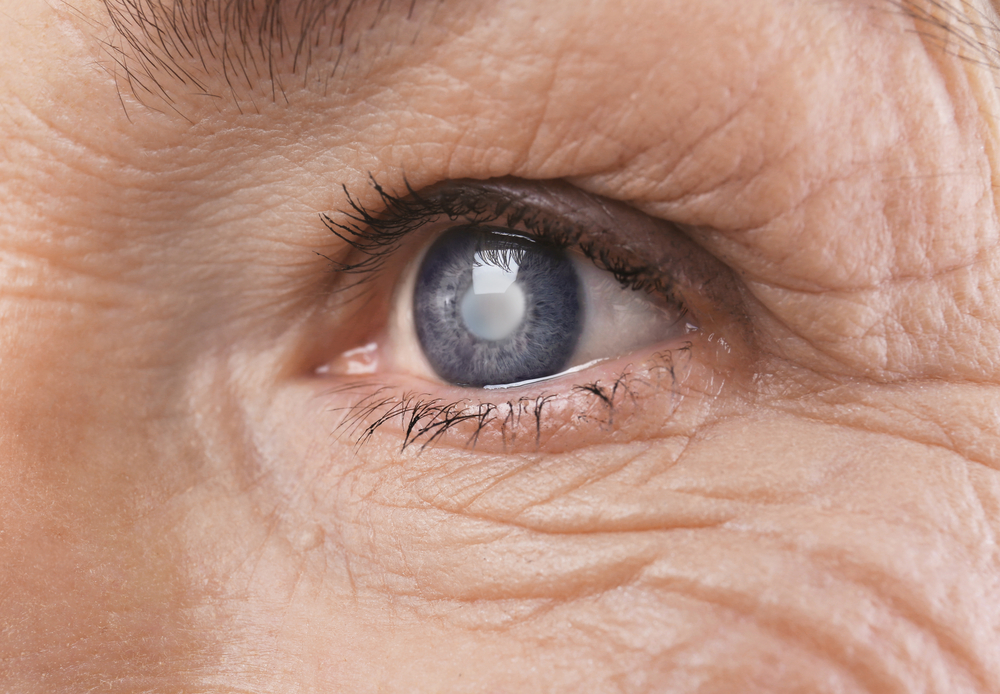
What Causes Cataracts?
Cataracts develop when proteins in the eye’s lens clump together, causing cloudiness that obstructs light and affects vision clarity. While aging is the primary cause, other factors can accelerate their formation, such as:
Prolonged exposure to UV radiation
Smoking
Certain medications like corticosteroids
Medical conditions such as diabetes
What Are the Symptoms?
The most common symptoms include:
Blurred or cloudy vision
Sensitivity to glare
Difficulty seeing at night
Seeing faded colors
As cataracts progress, they can significantly impact daily activities like reading, driving, or recognizing faces. Regular eye exams are crucial for early detection, as treatment options, including surgical removal of the cloudy lens, can help restore clear vision. If you’re experiencing any of these symptoms, consider scheduling a medical eye exam at Advanced Eye Center to ensure timely intervention and optimal eye health.
Treatment Options for Cataracts
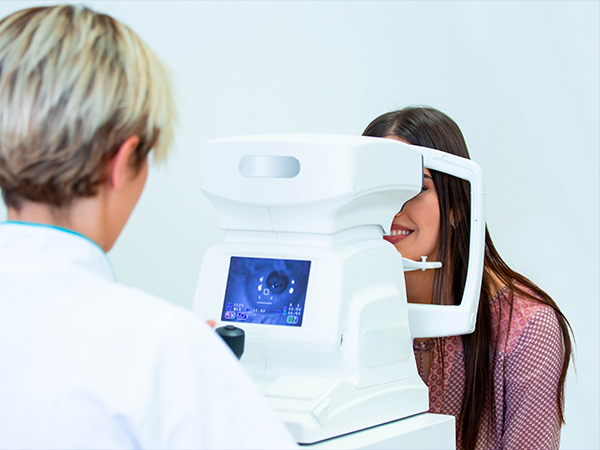
We can diagnose cataracts here at Advanced Eye Center. We provide comprehensive eye exams and several methods for improving your vision:
Updated Prescription Glasses (as needed)
Surgery (if indicated)
Schedule your Appointment in Flushing, Queens
If you’re experiencing cloudy vision and obstruction, you may have cataracts. Here at our Queens eye center, Dr. Chen and her team provide effective treatment options for identifying and addressing these issues. You can reach us by giving us a call at 718-762-3838.
All Eye Care Services
Find personalized eye care excellence with our comprehensive services. Your one stop for eye exams to advanced diagnostics, trust us all your eye care and vision needs.

Keep In Touch
For non-urgent questions or to learn more about our services, contact us today!
© 2026 Advanced Eye Center. All rights Reserved - Accessibility Statement - Privacy Policy - Sitemap
Managed and Designed by 